สอบถามเรา
ภาษา
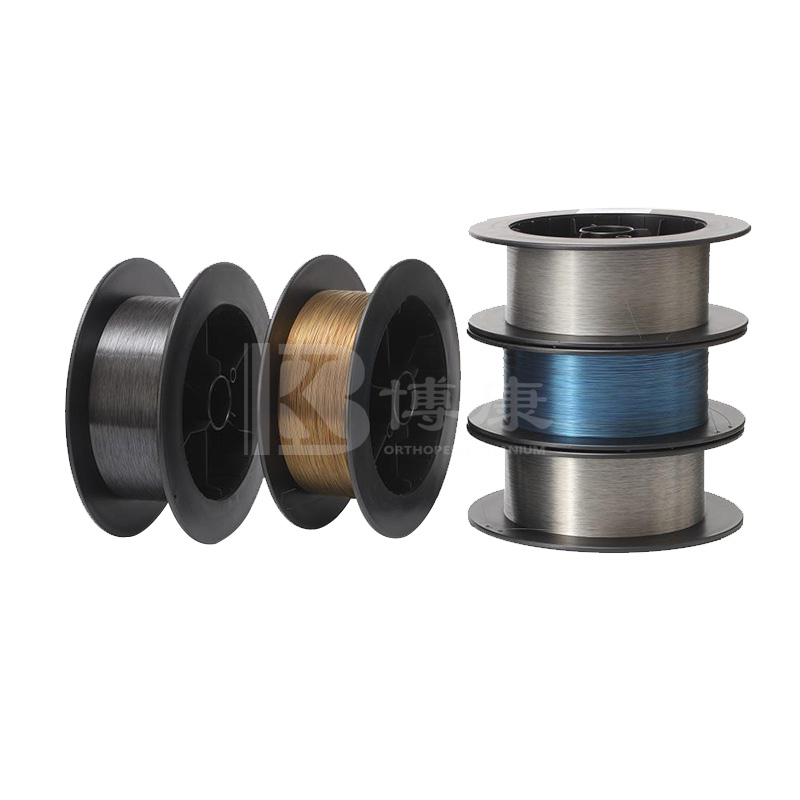
In the realm of advanced engineering and medical device manufacturing, the selection of an appropriate metal wire is a fundamental decision that directly influences the performance, reliability, and success of a final product. Among the myriad of options available, three families of alloys stand out for their unique and powerful properties: nickel titanium, stainless steel, and titanium. A thorough understanding of their characteristics is not merely an academic exercise but a practical necessity for designers, engineers, and procurement specialists.
Understanding the inherent metallurgical composition and resulting basic properties of each alloy is the first step in any comparative analysis. This foundation explains why each material behaves the way it does under stress, in corrosive environments, and when subjected to thermal fluctuations.
Nickel Titanium Alloy Wire (Nitinol)
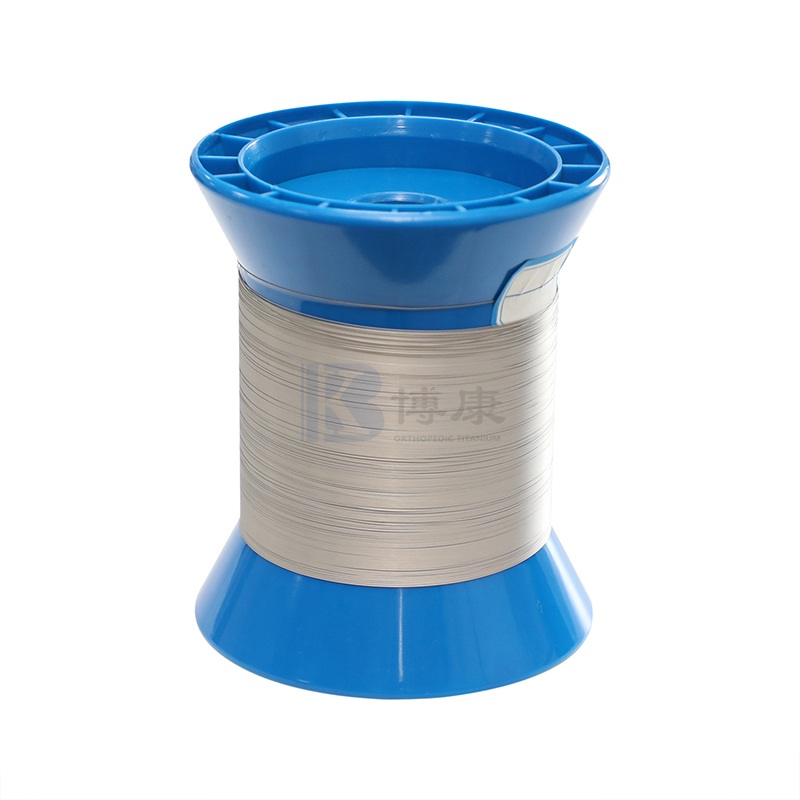
The nickel titanium alloy wire is an intermetallic compound composed of roughly equal parts of nickel and titanium. Its most defining characteristic is its status as a shape memory alloy . This property stems from a reversible, solid-state phase transformation between two distinct crystal structures: austenite and martensite. The austenite phase is stable at higher temperatures and lower stresses, characterized by a high modulus of elasticity and a rigid structure. The martensite phase is stable at lower temperatures and higher stresses, and it is considerably more compliant and can be deformed easily. The shape memory effect occurs when a material deformed in its martensitic phase recovers its original, pre-deformed shape upon heating to a specific transformation temperature. Superelasticity , conversely, is observed when the alloy is stressed at a temperature slightly above its austenite finish temperature, causing a stress-induced martensitic transformation that allows for enormous, recoverable strains—up to 8% or more, compared to less than 0.5% for stainless steel. This fundamental behavior is the source of the nickel titanium alloy wire ’s unique value proposition.
Stainless Steel Wire
Stainless steel is primarily an iron-based alloy containing a minimum of 10.5% chromium, which confers its signature corrosion resistance by forming a passive, protective oxide layer on the surface. Various grades exist, with 304 and 316L being among the most common for wire forms. Grade 316L, with the addition of molybdenum, offers superior resistance to chlorides and is often specified for medical and marine applications. Stainless steel wires are not phase-changing materials; their behavior is governed by traditional metallurgical principles like work hardening and annealing. They offer a combination of good strength, ductility, and formability, making them a versatile and cost-effective choice for a vast array of applications. Their properties are generally stable across a wide temperature range, though they can be susceptible to sensitization and stress corrosion cracking under specific conditions.
Titanium Alloy Wire
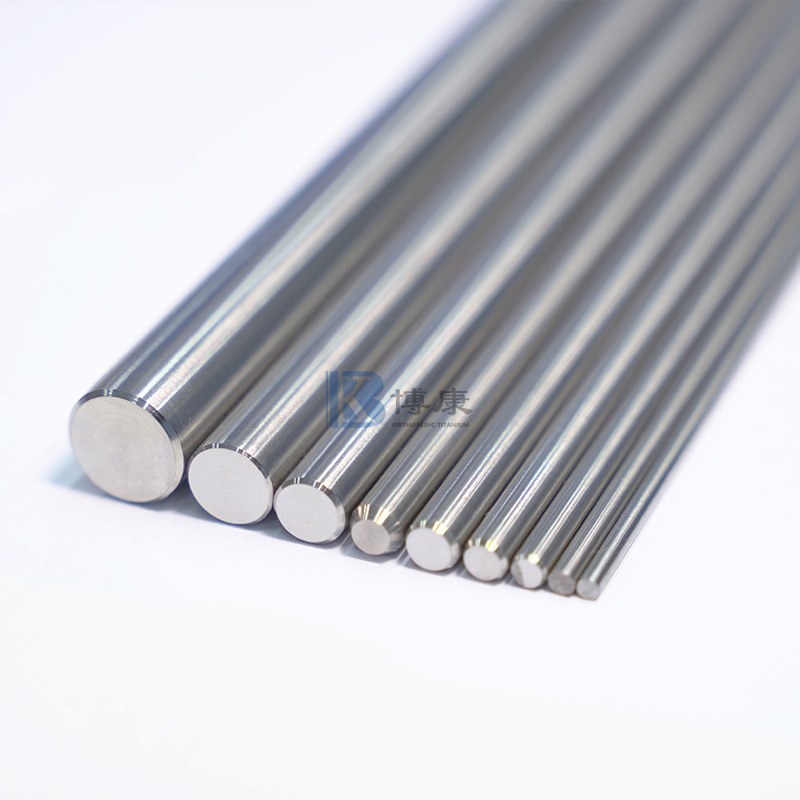
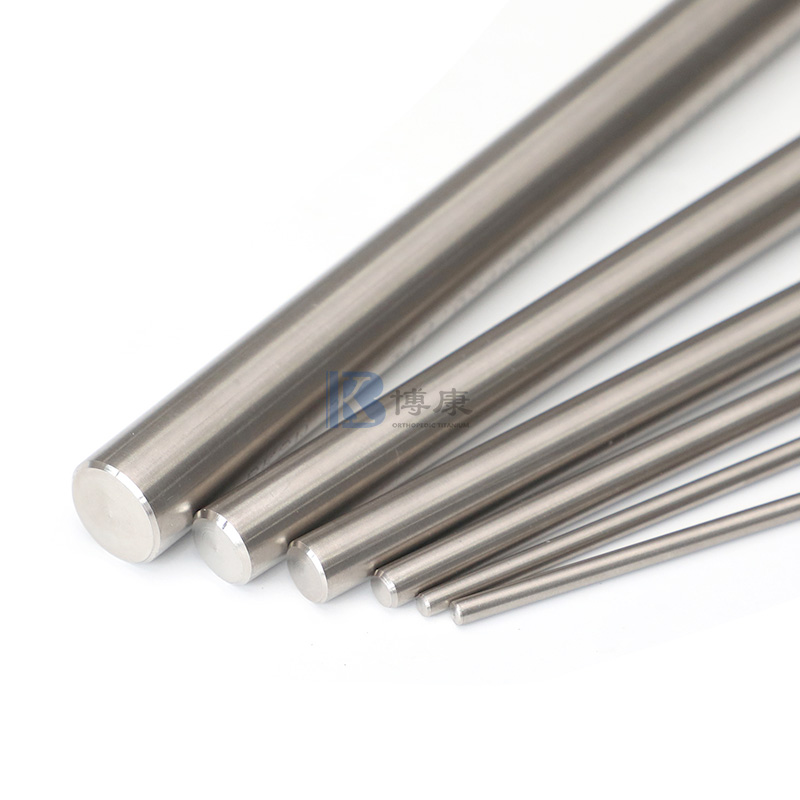
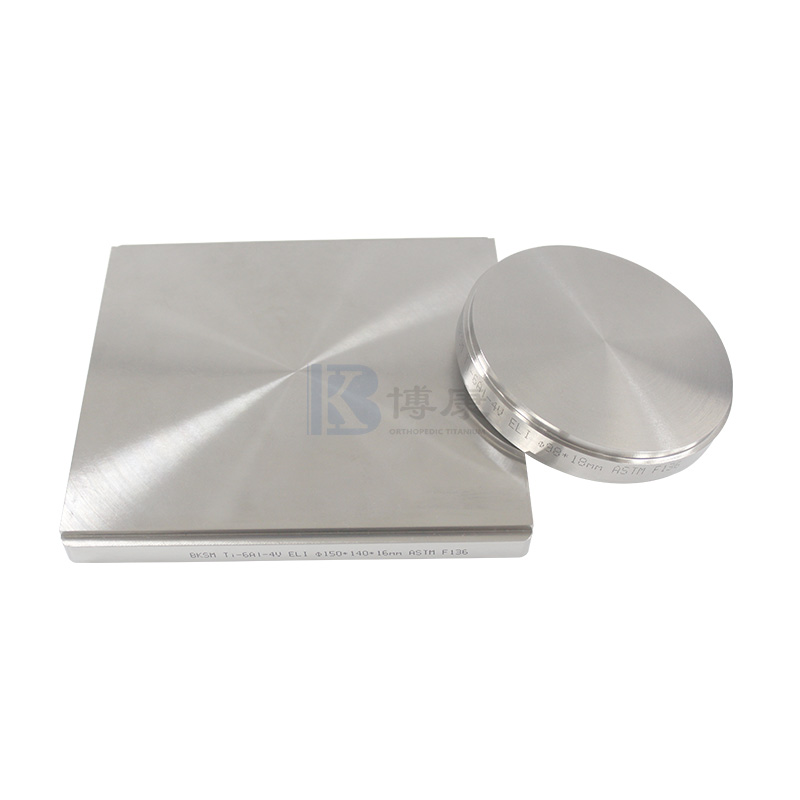
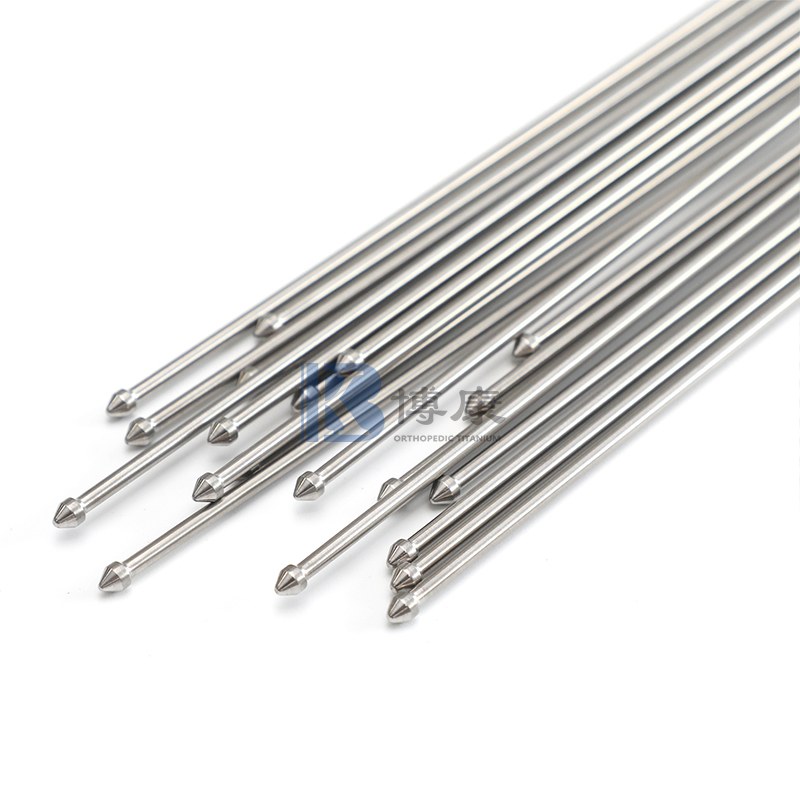
Commercially pure (CP) titanium and titanium alloys like Ti-6Al-4V are renowned for their exceptional strength-to-weight ratio and outstanding biocompatibility. CP titanium grades (1-4) offer moderate strength and maximum corrosion resistance, while alloyed grades like Ti-6Al-4V significantly increase strength. Titanium naturally forms a tenacious, adherent oxide layer that makes it highly resistant to corrosion, even in harsh environments like saltwater and chlorides. Unlike the nickel titanium alloy wire , titanium alloys do not exhibit superelasticity or shape memory. Their mechanical behavior is linear-elastic and plastic, similar to stainless steel, but with a significantly lower modulus of elasticity, which is a critical differentiator. This lower modulus, closer to that of bone, is a key reason for its use in orthopedic implants.
The mechanical performance of a wire is often the primary driver in material selection. This section provides a direct comparison of key properties, highlighting the distinct performance profiles of each alloy.
Strength and Ductility
All three materials can be processed to achieve high strength levels, but they achieve it through different mechanisms. Cold-worked stainless steel wires can achieve very high tensile strengths, often exceeding 2000 MPa in fine wire forms, with good ductility. Titanium alloy wire, particularly Ti-6Al-4V, offers tensile strengths in the range of 900-1100 MPa, but its primary advantage is that this strength is coupled with a density roughly 40% lower than steel, resulting in a superior strength-to-weight ratio. The superelastic nickel titanium alloy wire presents a unique case. Its apparent “strength” is not a fixed value but is dependent on the strain level due to its stress plateau during phase transformation. While its ultimate tensile strength is high, its most relevant mechanical property is its ability to withstand and recover from immense deformation, a form of mechanical resilience that the other two materials cannot match.
Elasticity and Stiffness
This is arguably the most significant differentiator. The modulus of elasticity, or stiffness, dictates how much a wire will deflect under a given load.
Fatigue Resistance
Fatigue resistance is the ability of a material to withstand cyclic loading. Stainless steel exhibits good fatigue life, which can be optimized through processing. Titanium alloys are generally known for excellent fatigue resistance, contributing to their use in aerospace and orthopedic applications. However, the nickel titanium alloy wire excels in specific fatigue regimes, particularly in rotary bending and situations involving large strain amplitudes. Its ability to accommodate strain through phase transformation rather than plastic slip makes it exceptionally resistant to failure under dynamic conditions. This makes it the material of choice for devices like stent grafts and other chronically fatigued components.
Table 1: Summary of Key Mechanical Properties
| Property | Nickel Titanium Alloy Wire | Stainless Steel (316L) Wire | Titanium Alloy (Ti-6Al-4V) Wire |
|---|---|---|---|
| Density (g/cm³) | 6.4 - 6.5 | 7.9 - 8.0 | 4.4 - 4.5 |
| Ultimate Tensile Strength (MPa) | 800 - 2000* | 700 - 2500* | 900 - 1100 |
| Modulus of Elasticity (GPa) | 30 - 83 (Austenite) | 190 - 200 | 110 - 114 |
| Elongation at Break (%) | 10 - 20 | 10 - 30 | 10 - 15 |
| Recoverable Strain (%) | Up to 8% (Superelastic) | < 0.5% | < 0.5% |
| Fatigue Strength | Excellent (Rotary Bending) | Good | Excellent (High Cycle) |
*Highly dependent on cold work and heat treatment.
Beyond basic mechanical properties, the functional performance of these wires in real-world scenarios dictates their application suitability. This includes their response to temperature, corrosion, and their biocompatibility.
Corrosion Resistance and Biocompatibility
All three alloys are known for their excellent corrosion resistance, which is a primary reason for their use in medical and demanding environments. Stainless steel 316L provides excellent resistance to a wide range of chemicals and body fluids, though it can be vulnerable to pitting in highly chloride-rich environments if not properly passivated. Titanium and its alloys are virtually inert in physiological environments, exhibiting phenomenal resistance to pitting and crevice corrosion, which is why they are a benchmark for biocompatible materials . The nickel titanium alloy wire also demonstrates excellent corrosion resistance and biocompatibility, which has been proven through decades of use in permanent implants. The stability of the passive oxide layer on Nitinol is critical, and proper processing is essential to ensure its performance, making it a reliable choice for medical device components .
Thermal Properties and Conductivity
Thermal behavior is a critical differentiator. Stainless steel and titanium have positive coefficients of thermal expansion and conduct heat in a predictable, linear fashion. The nickel titanium alloy wire , however, has its functional properties tightly coupled to temperature. Its transformation temperatures (Austenite Start, Austenite Finish, Martensite Start, Martensite Finish) are precisely controlled during manufacturing. This allows for the design of thermal activation devices and actuators that change shape or exert force at a specific, predetermined temperature. This property is irrelevant for the other two alloys but is a core functionality of the shape memory nickel titanium wire .
Shape Memory and Superelasticity: The Defining Functions
This is the exclusive domain of the nickel titanium alloy wire . Superelasticity enables a device to undergo large deformations and fully recover its original shape upon unloading. This is exploited in guidewire cores and stent applications , where a device can be compressed into a tiny delivery catheter, navigate a complex path, and then spring back to its functional shape upon deployment. The shape memory effect allows for even more dramatic deployments. A device can be manufactured in its final shape, deformed into a compact temporary shape for insertion, and then recover its original, complex shape upon exposure to body heat or another heat source. This is the principle behind minimally invasive surgery tools and self-expanding peripheral stents . Neither stainless steel nor titanium alloy wires can perform these functions; they are limited to their elastic and plastic deformation ranges.
The choice between these three advanced wires is ultimately dictated by the demands of the final application. Selecting the wrong material can lead to device failure, while the correct choice can enable revolutionary new designs.
Medical and Surgical Applications
The medical industry is a primary consumer of high-performance wires, where performance is non-negotiable.
Industrial and Consumer Applications
The unique properties of these wires are also leveraged across various industrial sectors.
Table 2: Application Selection Guide
| Application Requirement | Recommended Primary Material | Justification |
|---|---|---|
| Maximum Recoverable Strain (Superelasticity) | Nickel Titanium Alloy Wire | Unique ability to recover from over 8% strain. |
| Thermal Actuation / Shape Memory | Nickel Titanium Alloy Wire | Only material that recovers a pre-set shape upon heating. |
| Highest Stiffness / Pushability | Stainless Steel Wire | Highest modulus of elasticity provides superior column strength. |
| Superior Strength-to-Weight Ratio | Titanium Alloy Wire | High strength combined with low density. |
| Optimal Biocompatibility for Implants | Titanium Alloy Wire / Nickel Titanium Alloy Wire | Both exhibit excellent long-term biocompatibility. |
| Cost-Effective, General Purpose | Stainless Steel Wire | Best balance of performance and cost for many applications. |
| Superior Fatigue Resistance (Bending) | Nickel Titanium Alloy Wire | Phase transformation mechanism absorbs cyclic strain energy. |
| Excellent Corrosion Resistance | All Three | All perform well, with titanium often having a slight edge in harsh chlorides. |
The manufacturability of each alloy wire has significant implications for cost, lead time, and final part design. Understanding these constraints is vital for designers and buyers.
Stainless steel wire is the most straightforward to process using conventional metalworking techniques such as drawing, welding, coiling, and heat treating. Its behavior is predictable and well-documented, making it a low-risk choice from a manufacturing perspective. Titanium alloy wire is more challenging to process. It is susceptible to work hardening, requires more powerful equipment for drawing, and is highly reactive at elevated temperatures, necessitating controlled atmosphere or vacuum heat treatments. Its springback can be significant, requiring careful tooling design.
The nickel titanium alloy wire is the most complex and sensitive to process. Its final properties are dictated by a precise final heat treatment, or “shape setting,” which establishes the material’s transformation temperatures and mechanical memory. Cold working requires intermediate heat treatments to restore workability. Furthermore, processes like grinding, etching, and welding require specialized expertise to avoid altering the delicate microstructural properties or creating heat-affected zones that compromise performance. The stringent control required throughout the manufacturing process of a nickel titanium alloy wire contributes to its higher cost but is essential for achieving its unique functional properties.
The decision between nickel titanium, stainless steel, and titanium alloy wires is not a matter of identifying a universally “best” material, but rather of selecting the optimal material for a specific set of functional requirements and constraints. Each alloy occupies a distinct and valuable position in the materials spectrum.
Stainless steel wire remains the ubiquitous, cost-effective, and highly reliable choice for a vast range of applications where high strength, stiffness, and good corrosion resistance are required without the need for exotic functional properties. Titanium alloy wire is the premier selection when an exceptional strength-to-weight ratio, outstanding biocompatibility, and a lower modulus are the primary drivers, particularly in aerospace and orthopedic implant applications.
The nickel titanium alloy wire , however, exists in a category of its own. It is an enabling technology that allows engineers and medical device designers to conceive of and create products that are simply impossible with traditional materials. When a design demands extreme flexibility, large recoverable strain, thermal actuation, or superior fatigue life in dynamic environments, the nickel titanium alloy wire is the unequivocal choice. Its unique shape memory and superelastic properties justify its more complex processing and higher cost by delivering unparalleled performance and enabling minimally invasive solutions that improve patient outcomes and advance technological frontiers. By understanding the detailed comparative landscape presented in this encyclopedia, buyers and designers can move beyond assumptions and make technically sound, economically justified decisions that ensure the success of their products.
ลิขสิทธิ์ © 2024 Changzhou Bokang บริษัท วัสดุพิเศษเทคโนโลยี จำกัด ทั้งหมด สงวนลิขสิทธิ์.
ผู้ผลิตแท่งไทเทเนียมบริสุทธิ์ทรงกลมแบบกำหนดเอง ความเป็นส่วนตัว